Knowing the best time to visit Vietnam The best time to visit Vietnam depends less on the country as a whole and more on where you are travelling. Vietnam stretches more than 1,600 km from north to south, so Hanoi can be cool and misty while Ho Chi Minh City is hot and sunny on the same day.
For most multi-city trips, February to April is one of the easiest periods to combine North, Central and South Vietnam. Travellers exploring Vietnam tour packages should still check each region separately, especially if the itinerary includes Sapa, Ha Long Bay, Hoi An or Phu Quoc.
Vietnam has three broad climate zones: the cooler north, the central coast with its later rainy season, and the tropical south. Understanding these differences helps you choose the right route and travel dates instead of relying on a single nationwide weather chart.
The Short Answer: Three Climates, One Country
Vietnam Seasons at a Glance
Vietnam Tourism describes March to May as one of the strongest periods for countrywide weather, but the ideal dates still vary significantly by destination.
Best Time to Visit North Vietnam
The best time to visit North Vietnam depends on whether your priority is Hanoi, Ha Long Bay or the mountains.
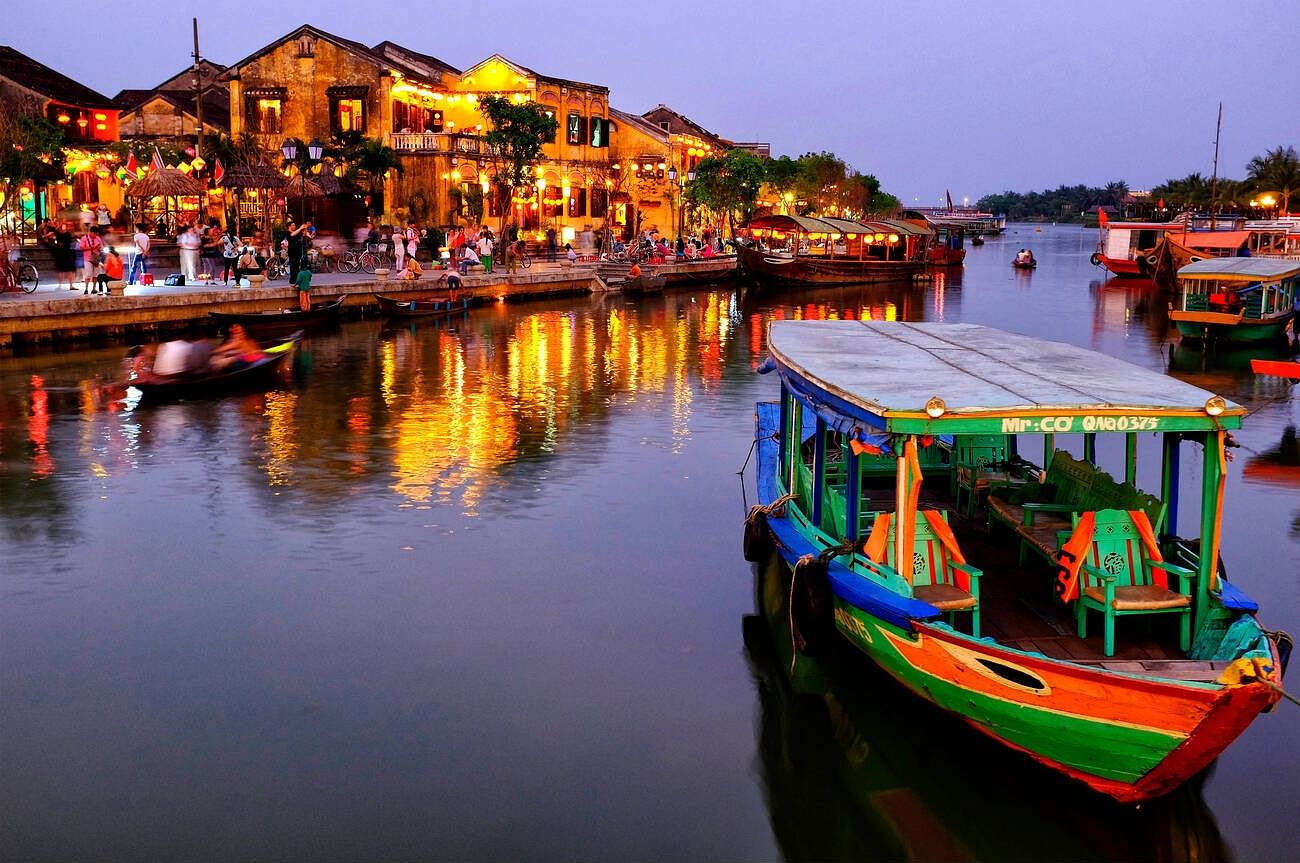
Hanoi: Hanoi: October to December and roughly March to April are comfortable for walking and sightseeing, and it helps to know the transfer options from Hanoi airport before you land.
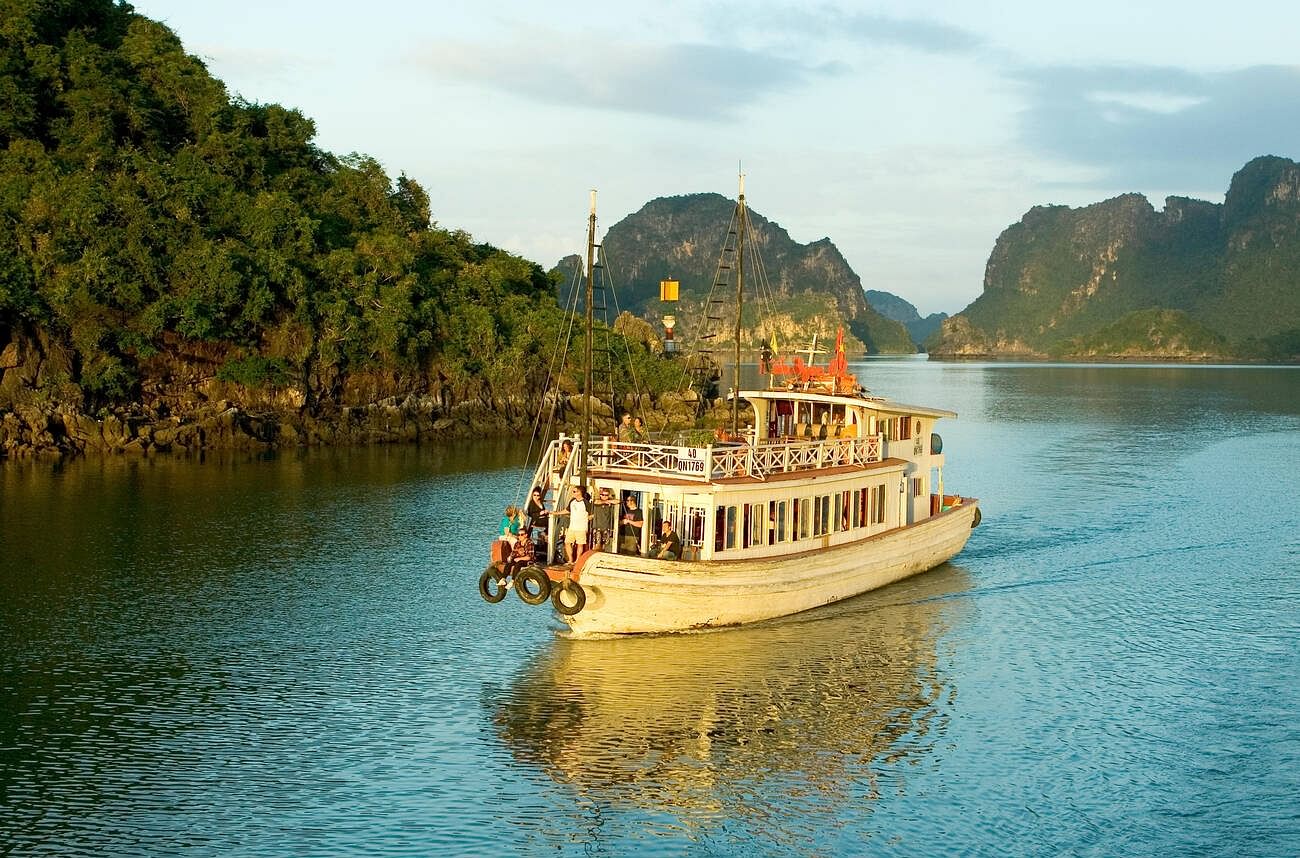
Ha Long Bay: Aim for April–June or September–November if clear views and comfortable cruise weather matter most. December to March can be atmospheric but misty, while summer brings higher heat, humidity and storm risk. Vietnam Tourism specifically identifies these spring and autumn windows as favourable.
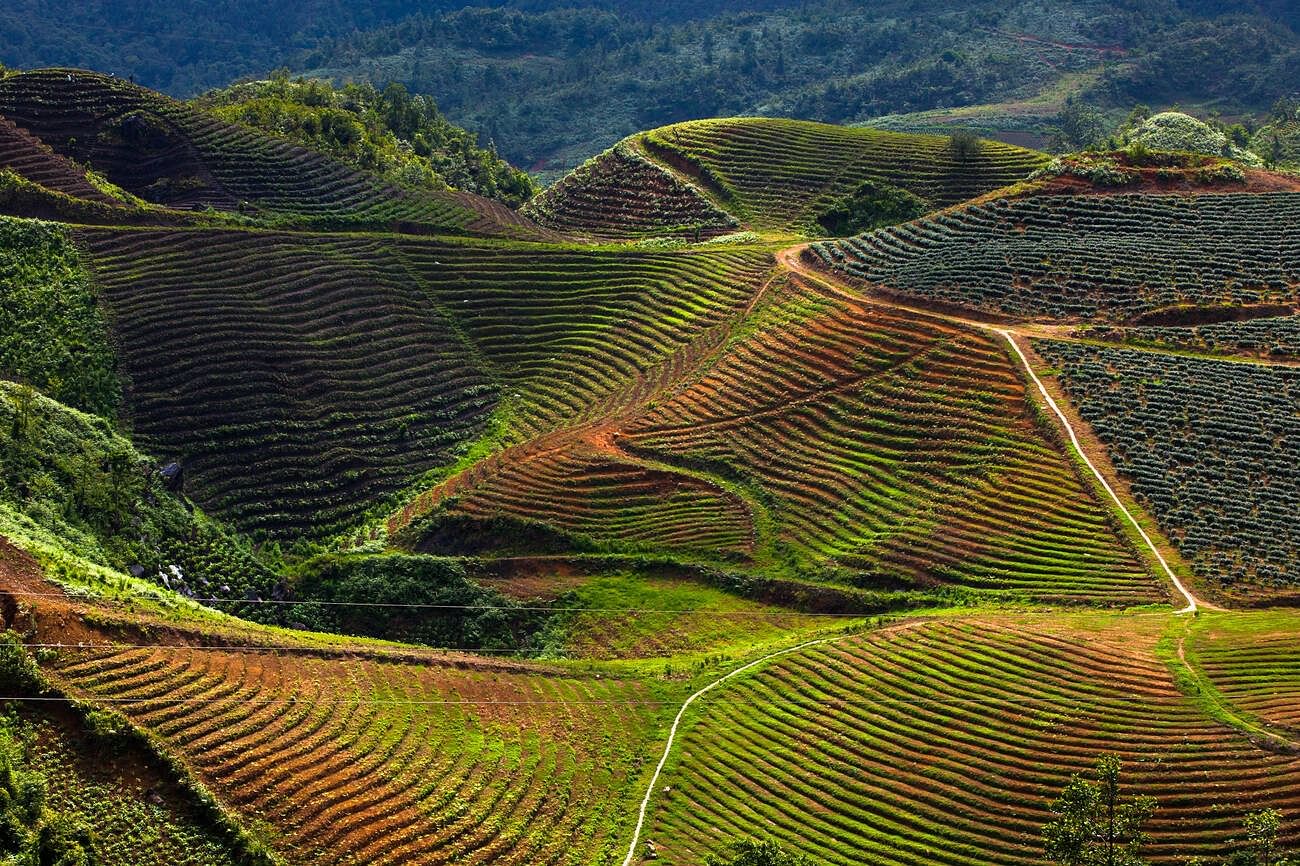
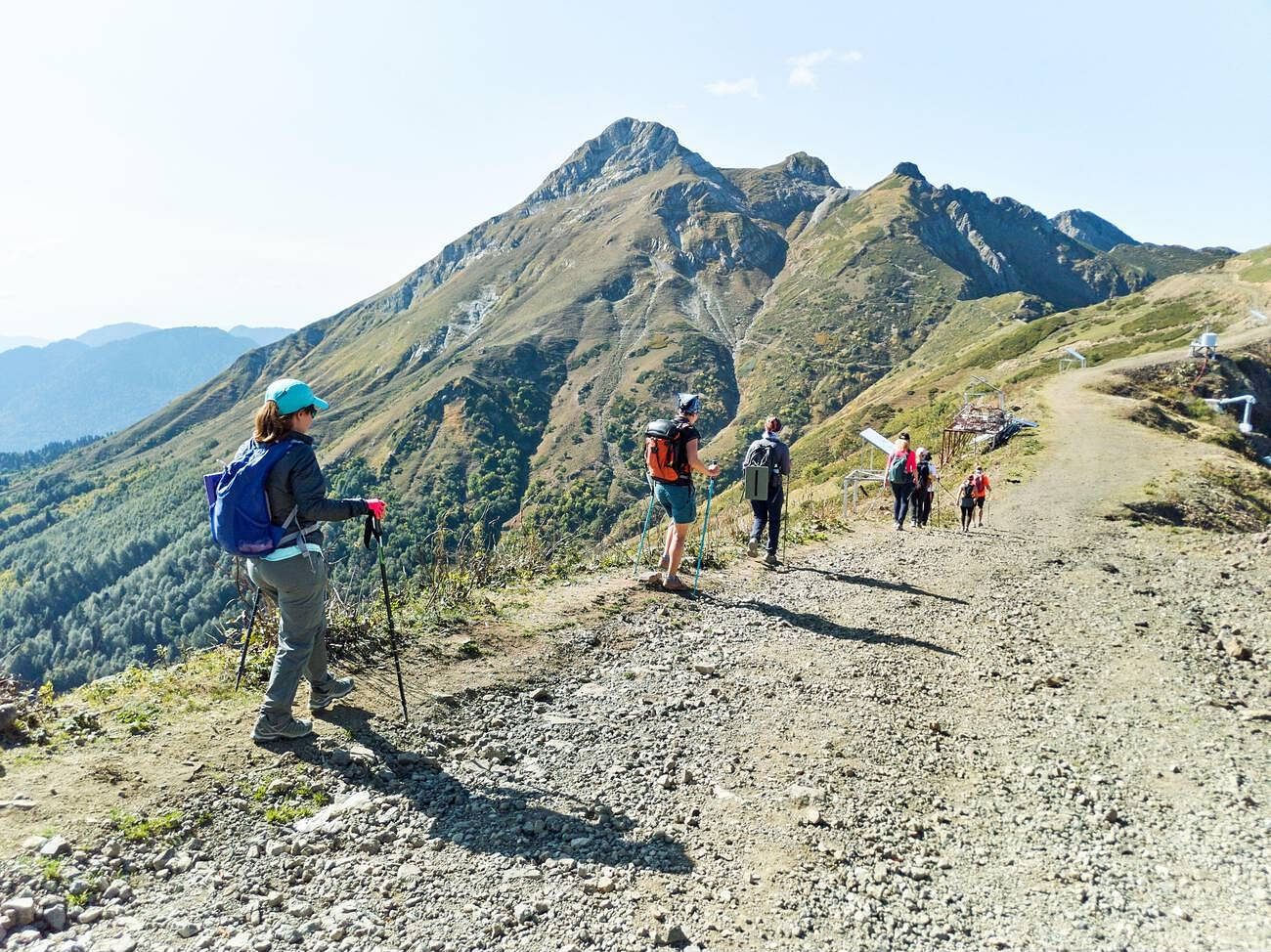
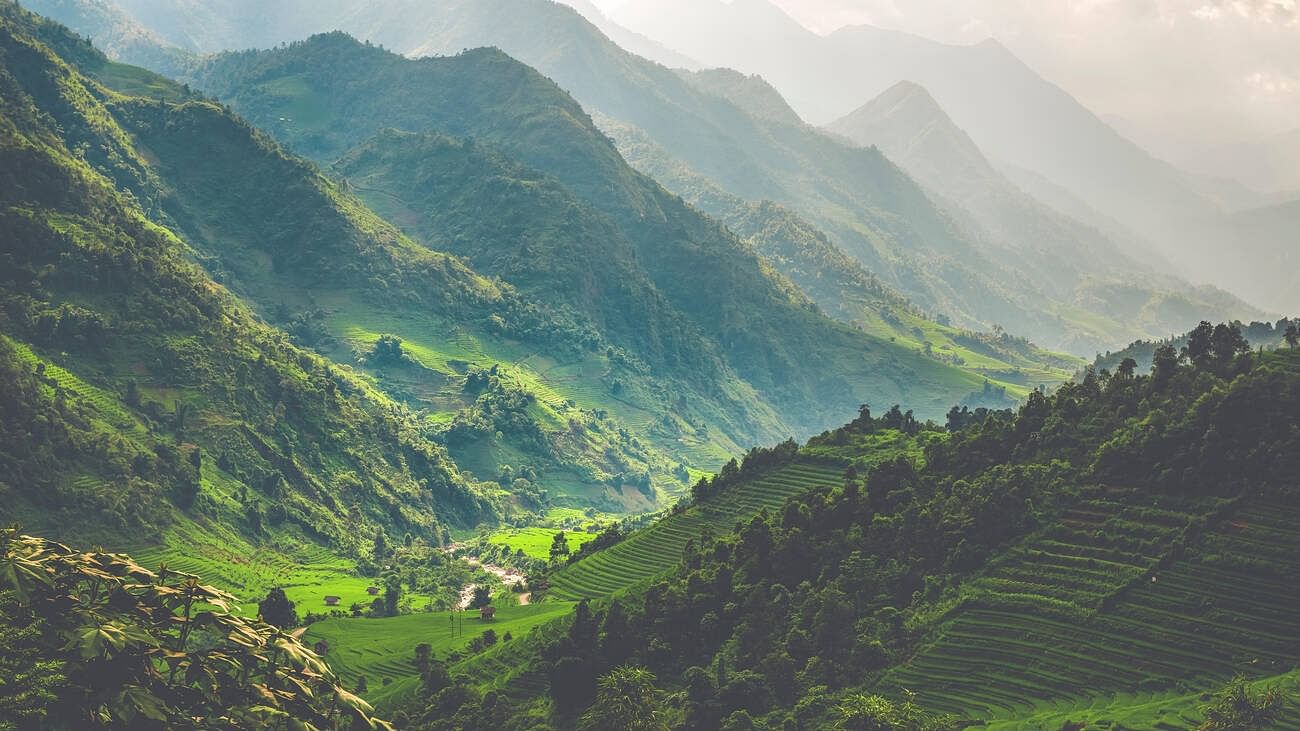
Sapa: September to early October is especially rewarding if you want golden rice terraces around harvest time. Late April is another attractive period for clearer mountain scenery. December to March can be chilly, cloudy and occasionally extremely cold at altitude.
Best Time to Visit Central Vietnam
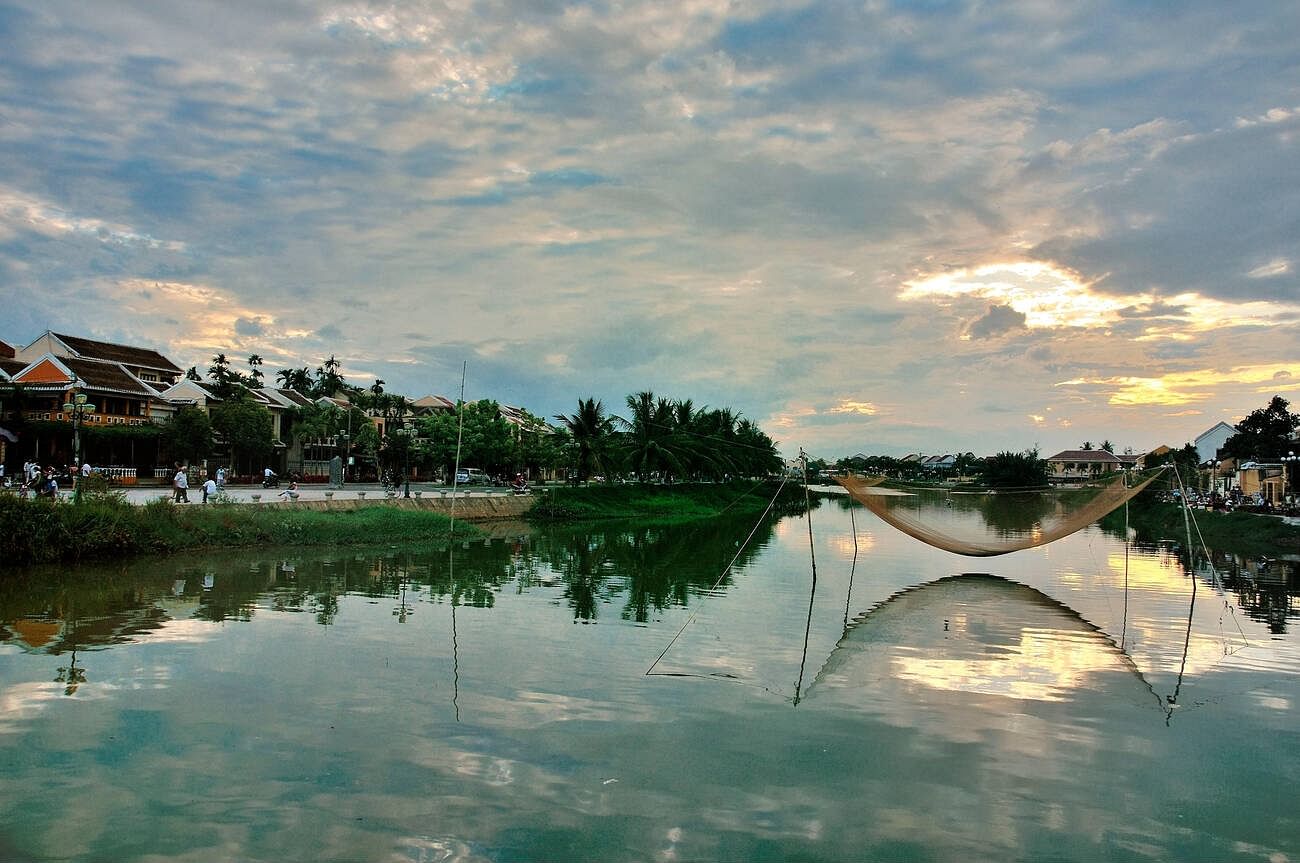
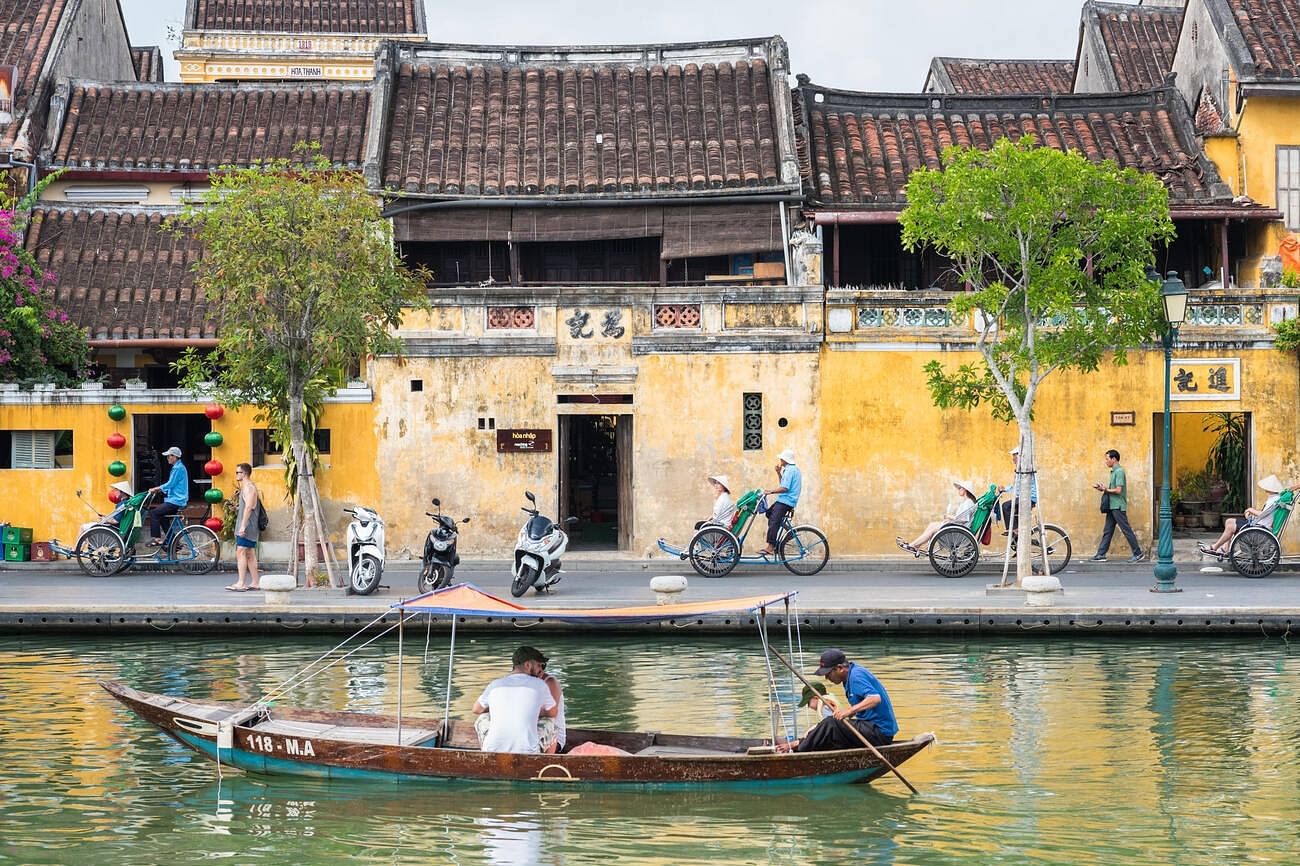
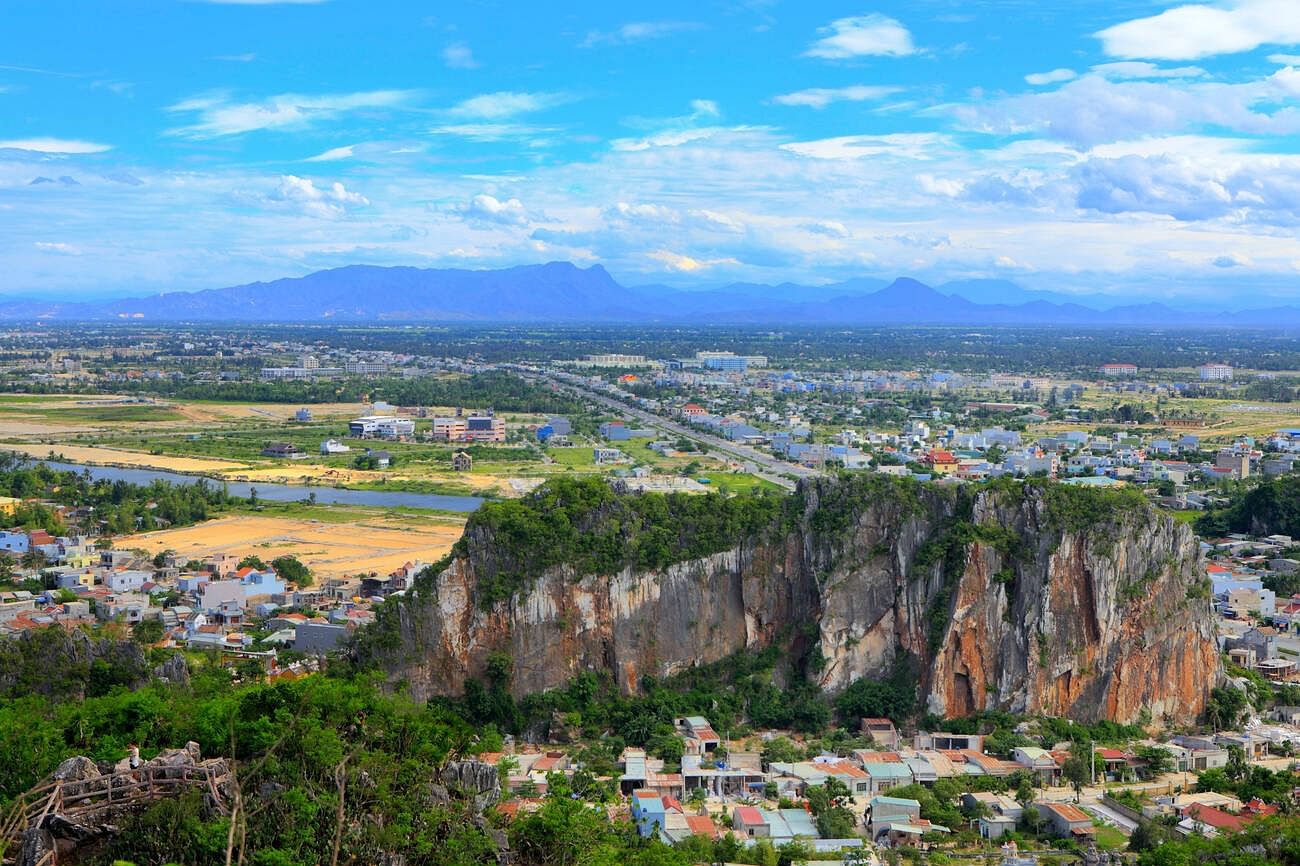
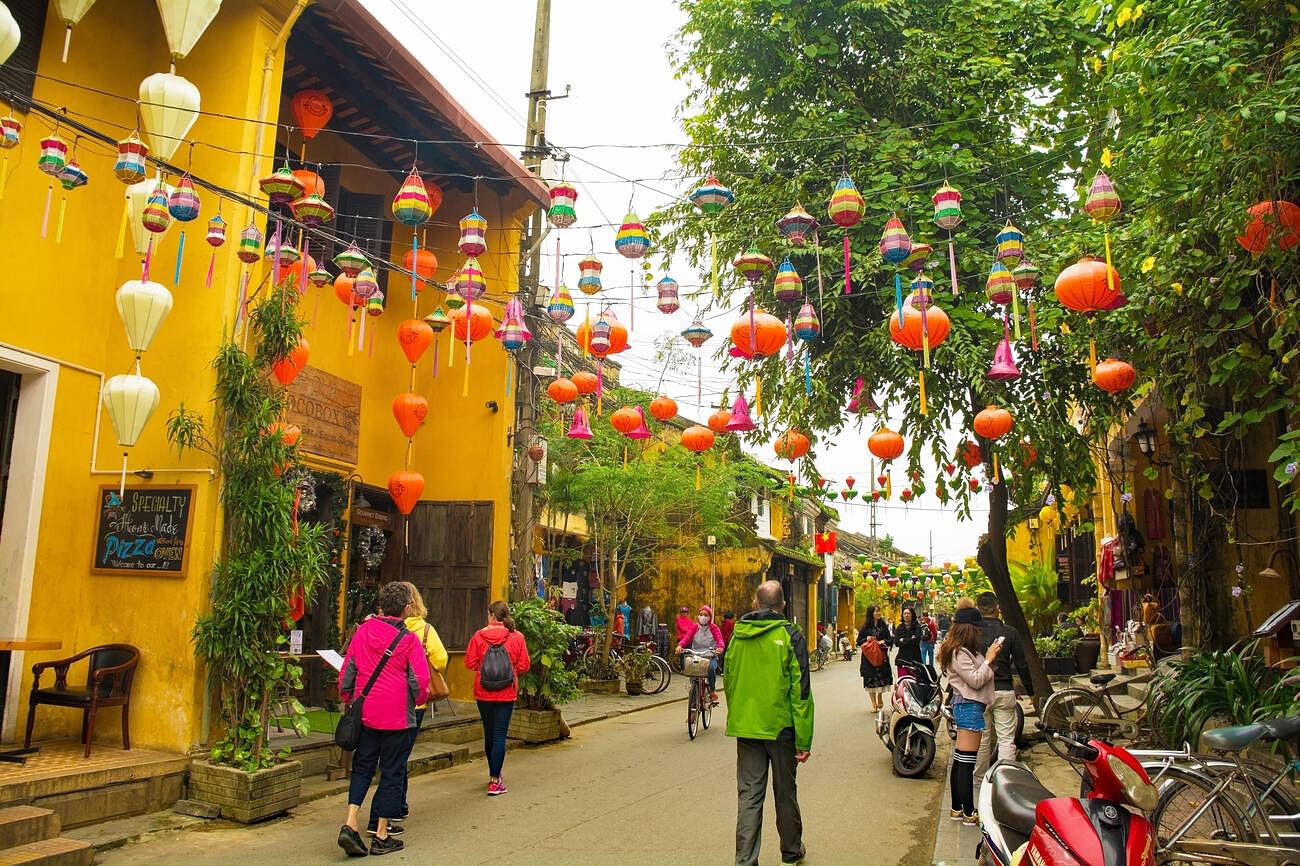
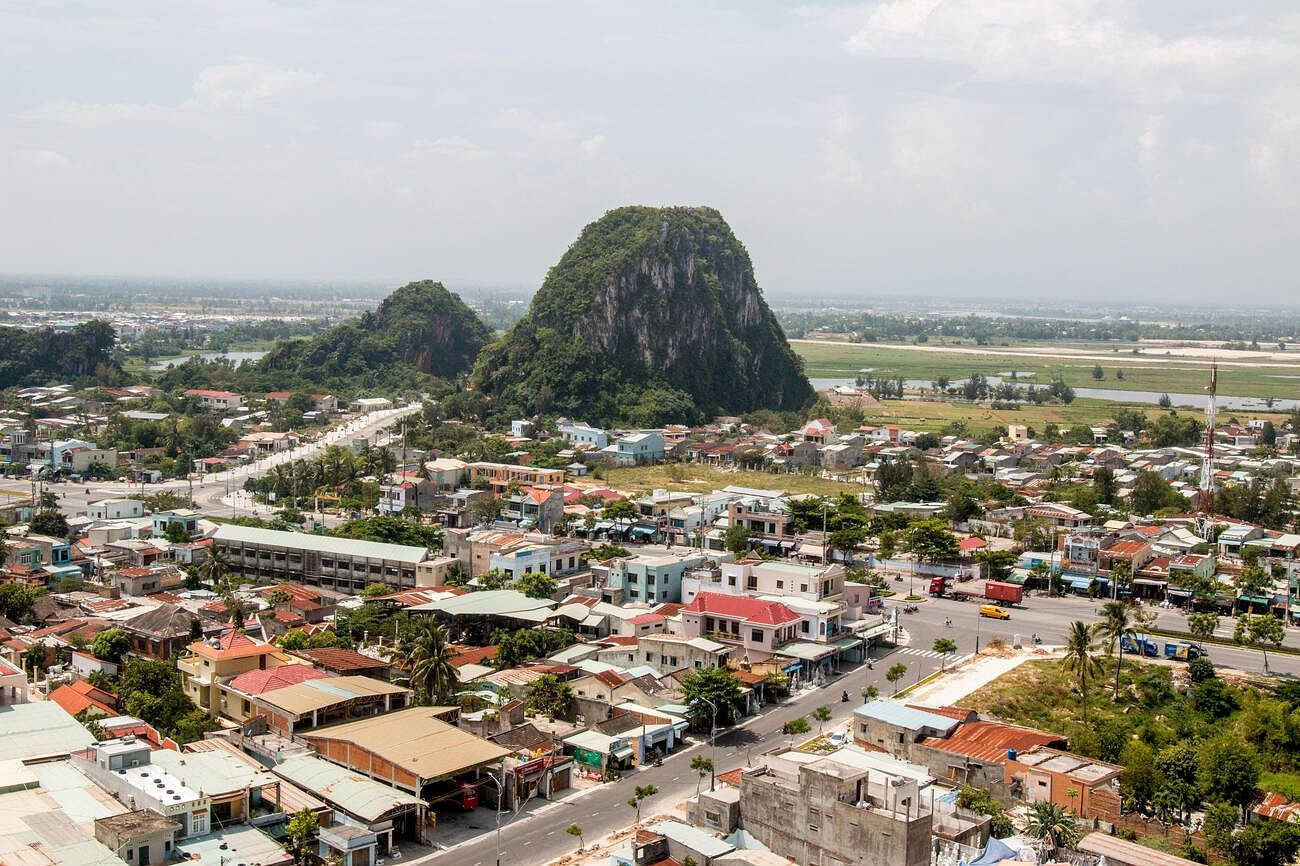
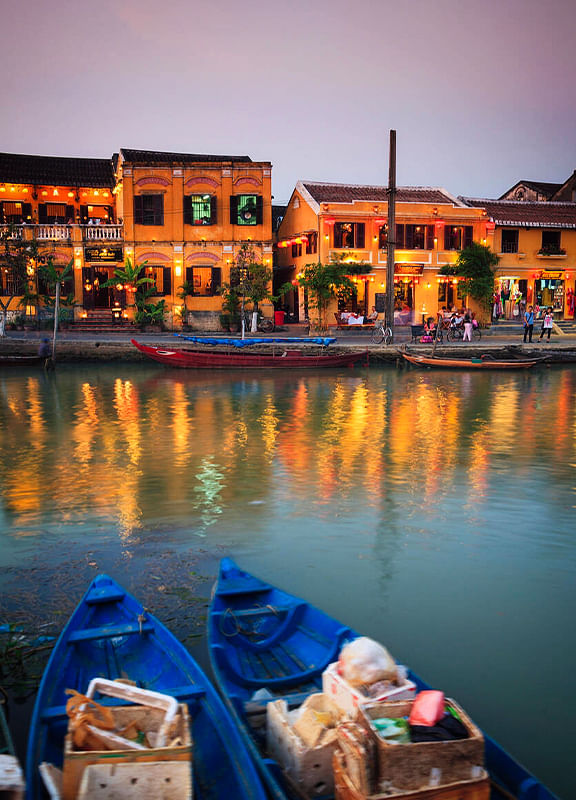
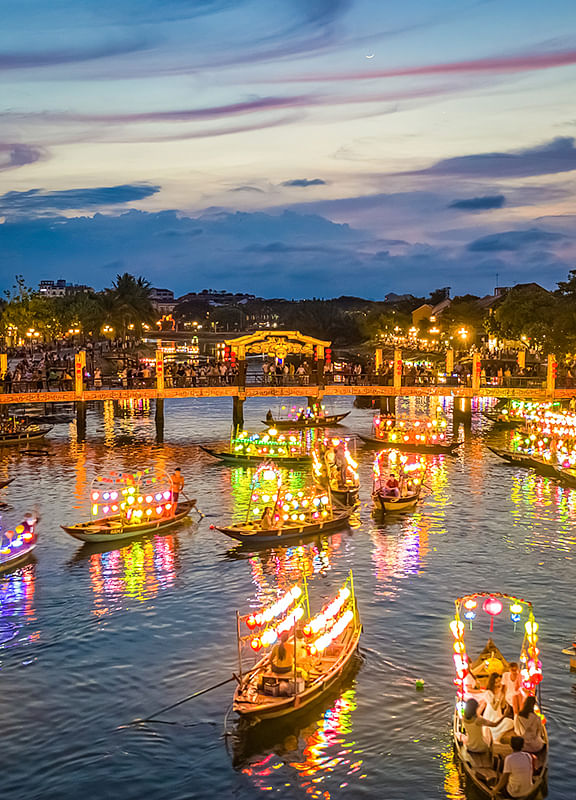
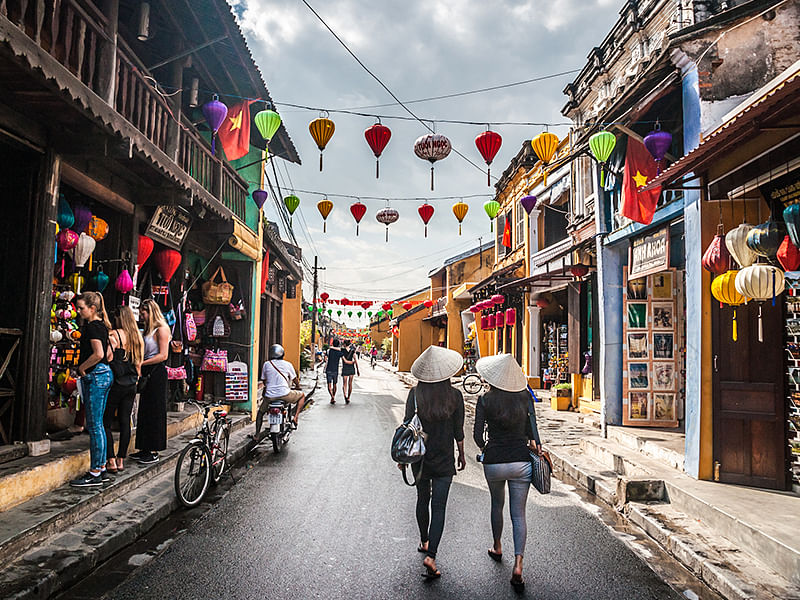
For Da Nang, Hoi An and much of the central coast, February to August generally provides the easiest conditions for sightseeing and beaches.
March and April are particularly useful if you want warm weather without the peak summer heat. Vietnam Tourism highlights these months as a favourable period in Central Vietnam.
September to November needs more flexibility. Heavy rainfall, storms and flooding can affect parts of the central coast during the later rainy season. Hue's wet period can extend beyond this window, so check the destination forecast rather than relying only on a Vietnam-wide forecast.
Best Time to Visit South Vietnam
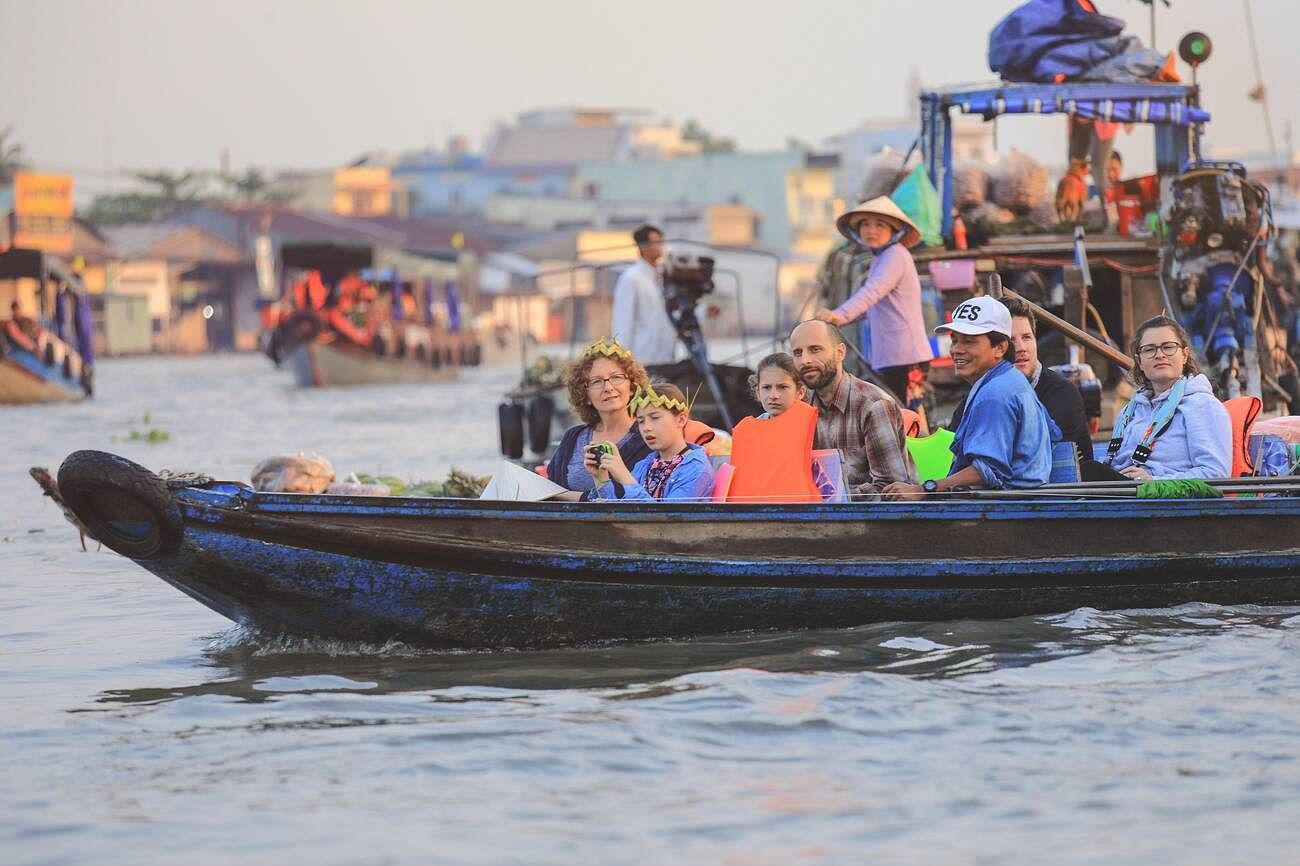
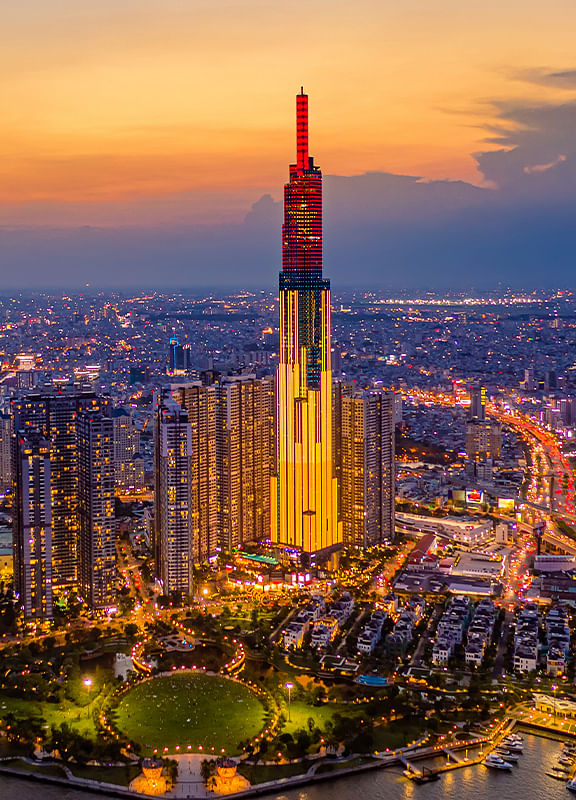
Ho Chi Minh City and the Mekong Delta remain warm throughout the year, but November to April broadly corresponds with the drier season.
December to February is especially convenient for outdoor sightseeing because humidity and rainfall are generally lower.
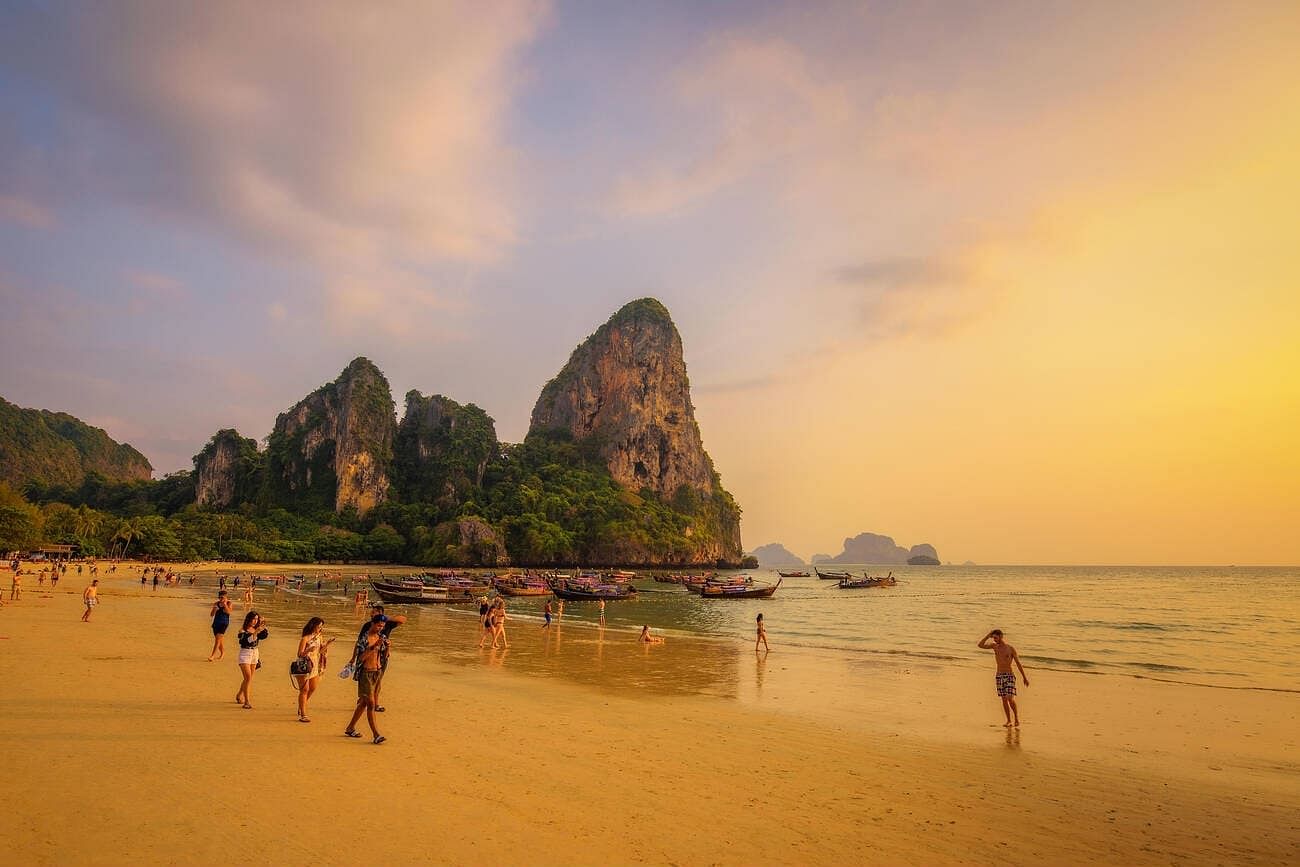
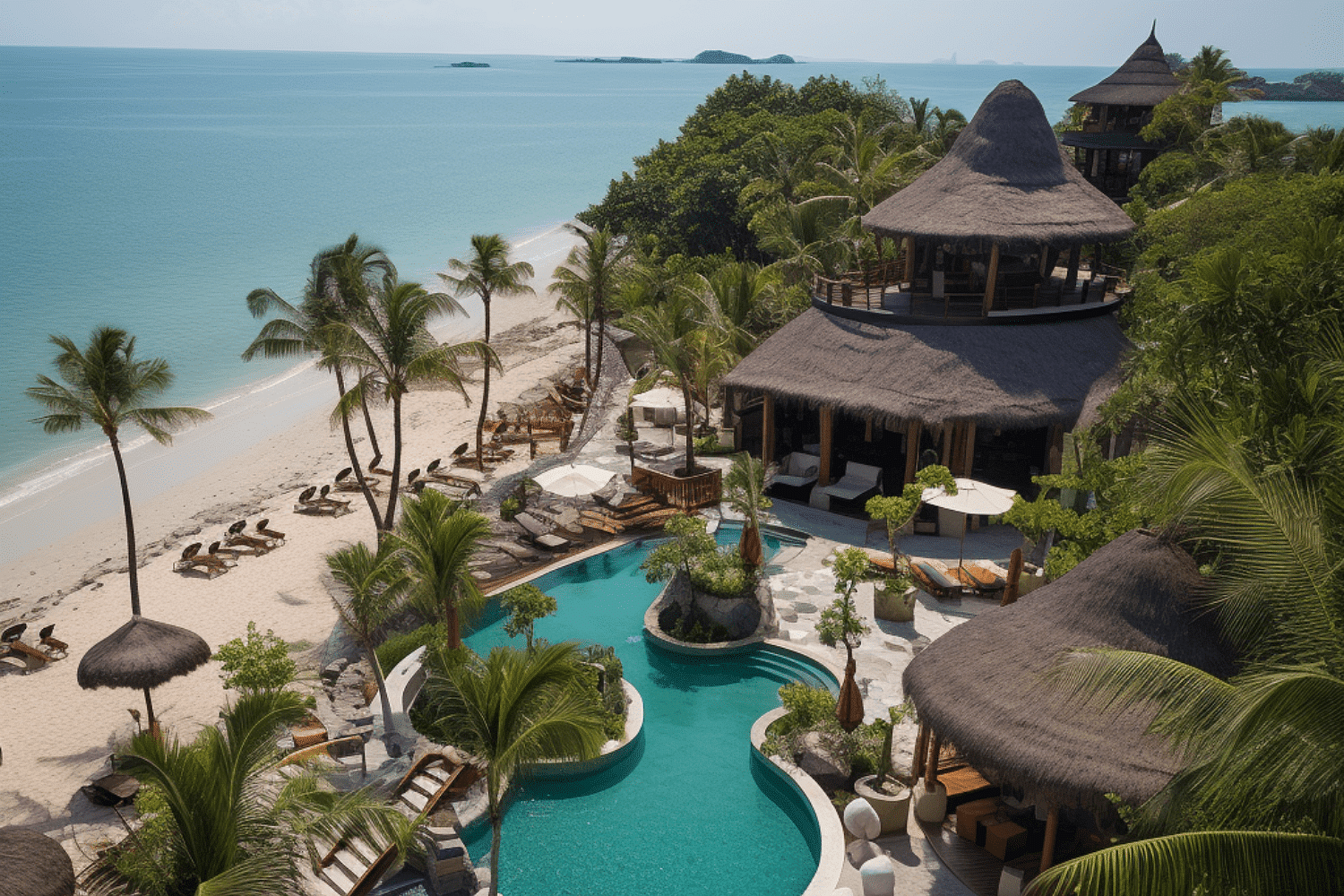
Island travellers should check the best time to visit Phu Quoc separately because beach conditions matter more there than they do for a city itinerary.
The wetter months do not make southern Vietnam unusable. Rain commonly arrives in concentrated tropical showers rather than continuous all-day rain, so flexible sightseeing itineraries can still work.
January works particularly well for southern Vietnam, including Ho Chi Minh City, the Mekong Delta and Phu Quoc. Hanoi is cooler, while Sapa can be genuinely cold. Ha Long Bay cruises still operate, but mist may reduce visibility.
February is one of the strongest months for a multi-region itinerary as Central Vietnam starts becoming sunnier while South Vietnam remains dry. Tet can fall in January or February, so always check the Lunar New Year dates before booking transport.
March is among the easiest months for first-time visitors. North Vietnam begins warming up, Central Vietnam sees plenty of sunshine and southern destinations remain predominantly dry. It is a particularly practical month for combining Hanoi, Hoi An and Ho Chi Minh City.
April provides a strong balance across much of the country and is an excellent month for travellers who want a mix of cities, beaches and nature. Ha Long Bay generally becomes warmer and clearer, while Central Vietnam is well suited to beach stays.
May becomes hotter, particularly in cities, but Central Vietnam can be excellent for Da Nang and Hoi An. Rain starts increasing elsewhere. If you can handle higher daytime temperatures, it can still be a good month for combining sightseeing with coastal time.
June is hot and humid in the north and south, with increasingly frequent rainfall. Central Vietnam becomes the standout region, particularly if beaches are a priority. Build some indoor attractions into city days rather than creating an itinerary that depends entirely on clear weather.
July is firmly within the wetter summer period in northern and southern areas. Central Vietnam can remain hot and sunny. This is a useful month for exploring things to do in Vietnam that combine beaches, museums, food experiences and flexible city sightseeing.
August remains humid with showers across several areas, although weather varies substantially from one region to another. Central beach destinations can still work well. Travellers should keep some flexibility around boat trips and outdoor activities when local forecasts show storms.
September is one of the most visually interesting months in northern mountain areas. Around Sapa, rice terraces can turn gold as harvest approaches. Central Vietnam, however, starts moving into a wetter and less predictable period, so a north-heavy itinerary can make more sense.
October is excellent for Hanoi and northern highlands, with cooler conditions and autumn scenery. Early October can be beautiful around Sapa. Central Vietnam requires more caution because heavy rain and storms are possible during its late-year wet season.
November is particularly useful for combining North and South Vietnam. Hanoi becomes cooler, while the southern dry season starts settling in. Central Vietnam may still experience substantial rain, so check Hoi An, Hue and Da Nang conditions closer to departure.
Vietnam in December works especially well for Ho Chi Minh City, the Mekong and southern islands. Hanoi becomes cool and Ha Long Bay can be misty, creating atmospheric scenery but not always postcard-clear views. Pack layers if your itinerary extends into northern Vietnam.
Planning from India: Flights, Visa and Costs by Season
The best time to visit Vietnam from India is usually February to April if your itinerary covers several regions. If your trip focuses only on South Vietnam, December to February is also an excellent option.
Direct India–Vietnam flights make shorter trips practical. As checked on 18 September 2026, Vietnam Airlines lists Delhi–Hanoi at about 4 hours 15 minutes and Delhi–Ho Chi Minh City at about 5 hours; schedules and frequencies vary by date.Flying from Mumbai instead? Here's how to reach Vietnam from Mumbai, including route and airline options.
Use the India to Vietnam flights guide to compare departure cities, airlines and routes, and the Vietnam airports guide when building a multi-city itinerary.
Flight and hotel prices can rise around Christmas/New Year, major Indian holiday periods and especially Tet. Vietnam Tourism also notes that many businesses may close during Tet, which matters for travellers on short schedules.
When NOT to Go — and When It Still Works
There is no single month when the whole of Vietnam should be avoided.
Instead, match the risk to your itinerary.
Central Vietnam in September–November: This is the period that deserves the most flexibility because storms, heavy rain and flooding can affect coastal routes. Vietnam Tourism specifically warns that parts of Central Vietnam experience storms and flooding during the late rainy season.
North Vietnam in June–August: Expect heat, humidity and heavier rainfall. Ha Long Bay cruises can occasionally be disrupted when severe weather develops.
South Vietnam's wet season: Do not automatically rule it out. Short tropical showers can still leave substantial sightseeing time, and travelling outside peak dry-season dates may offer better availability, which is also a good time to look at Vietnam budget tour packages.
Tet: Culturally, it is one of Vietnam's most interesting periods in Vietnam tourism.
. Logistically, transport demand increases and some businesses close, so it suits travellers who plan ahead better than those relying on spontaneous bookings.
The smartest approach is not finding a “perfect” month. It is choosing the part of Vietnam whose weather works best during your available dates.