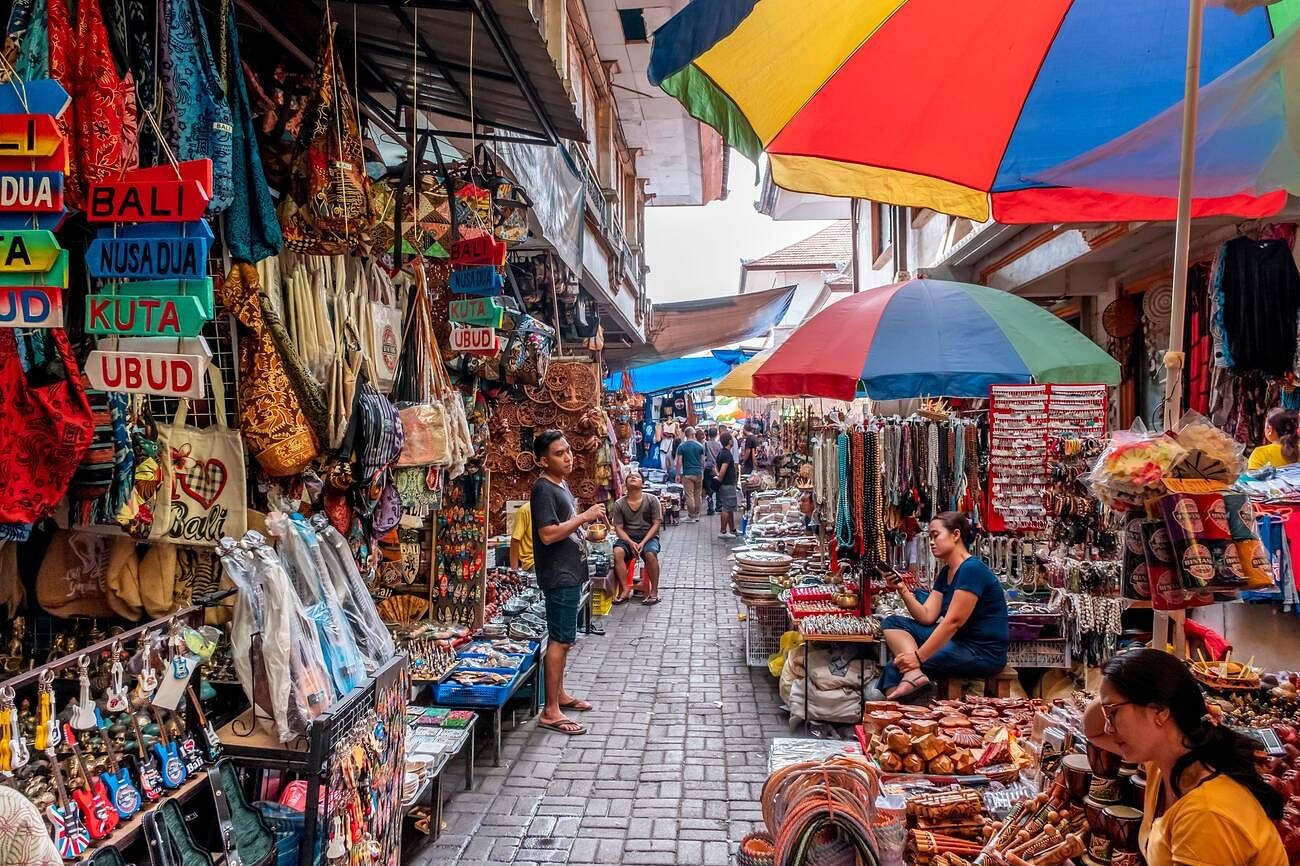
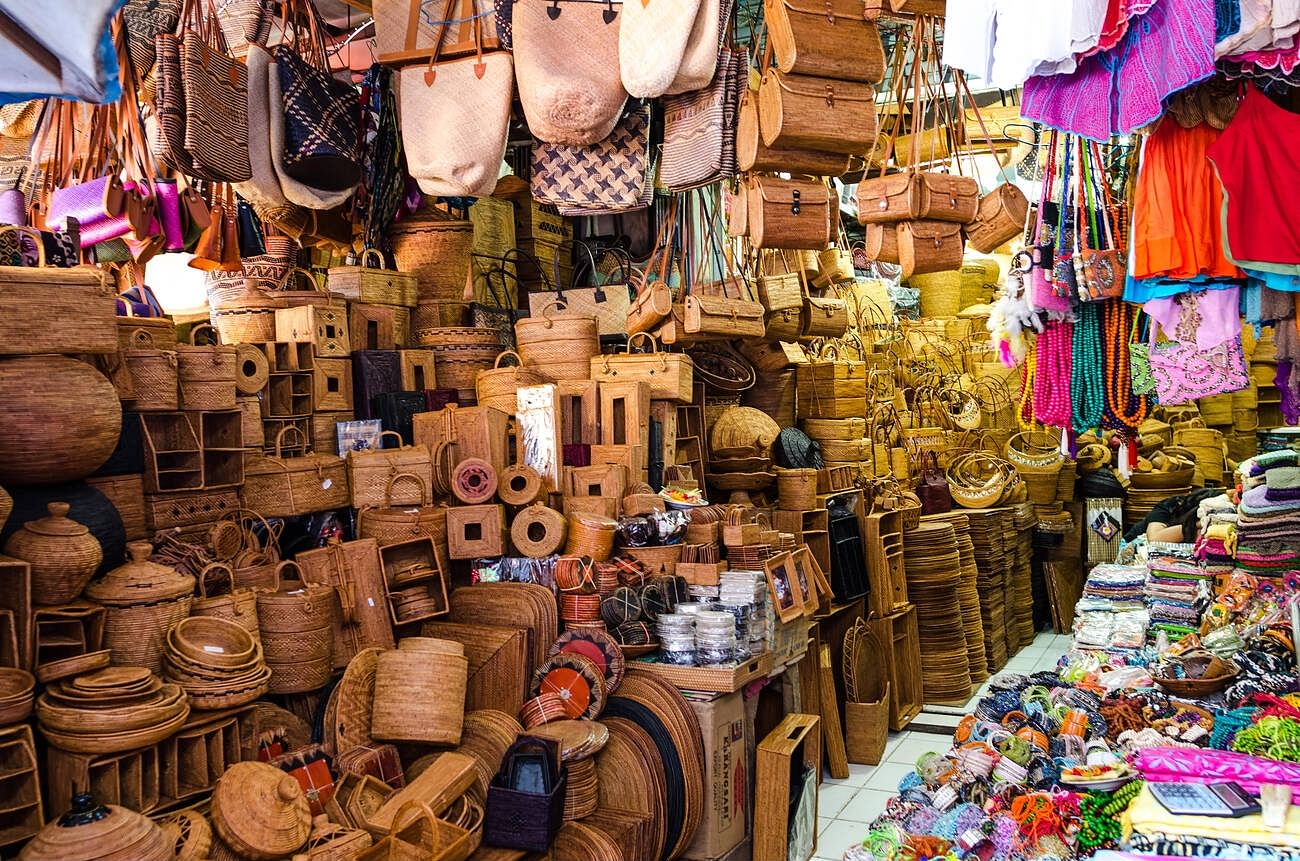
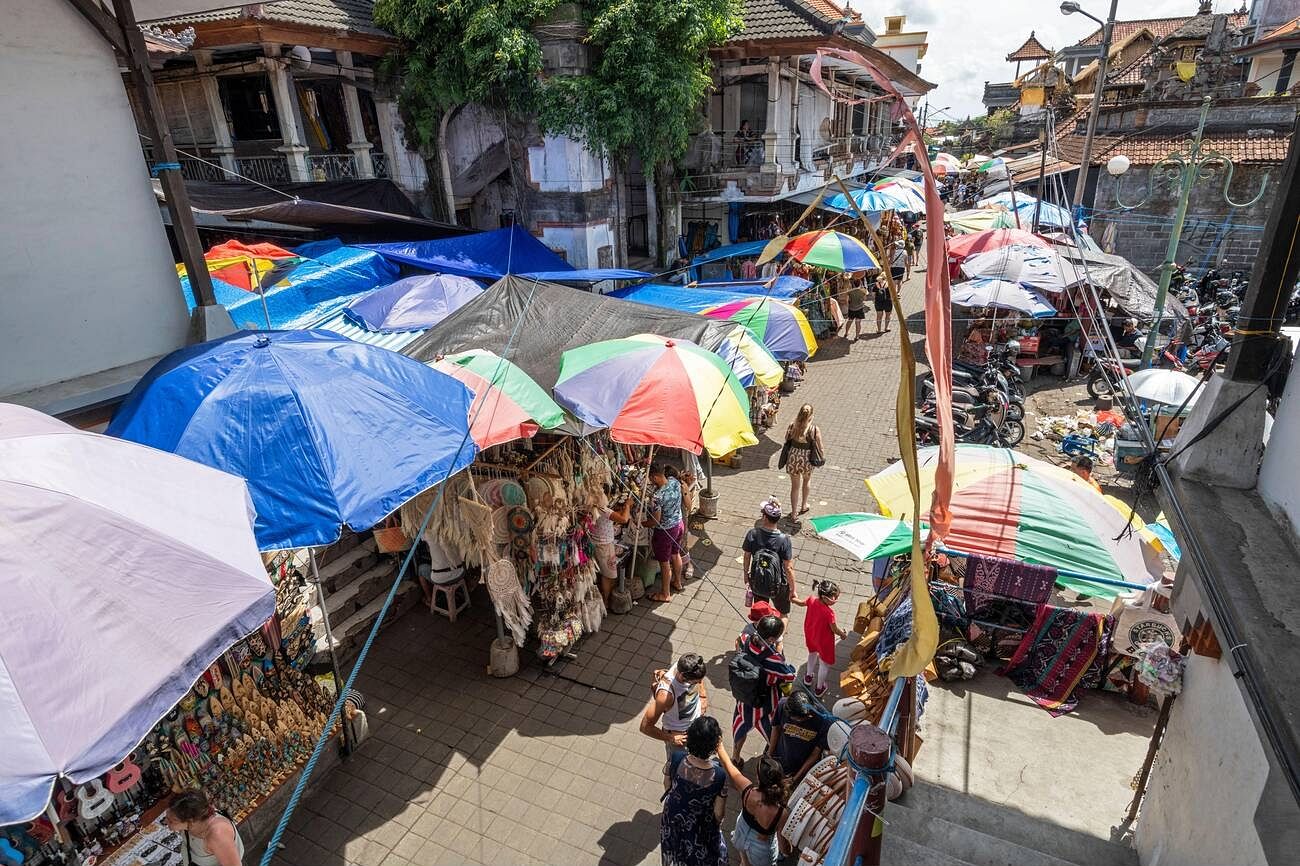
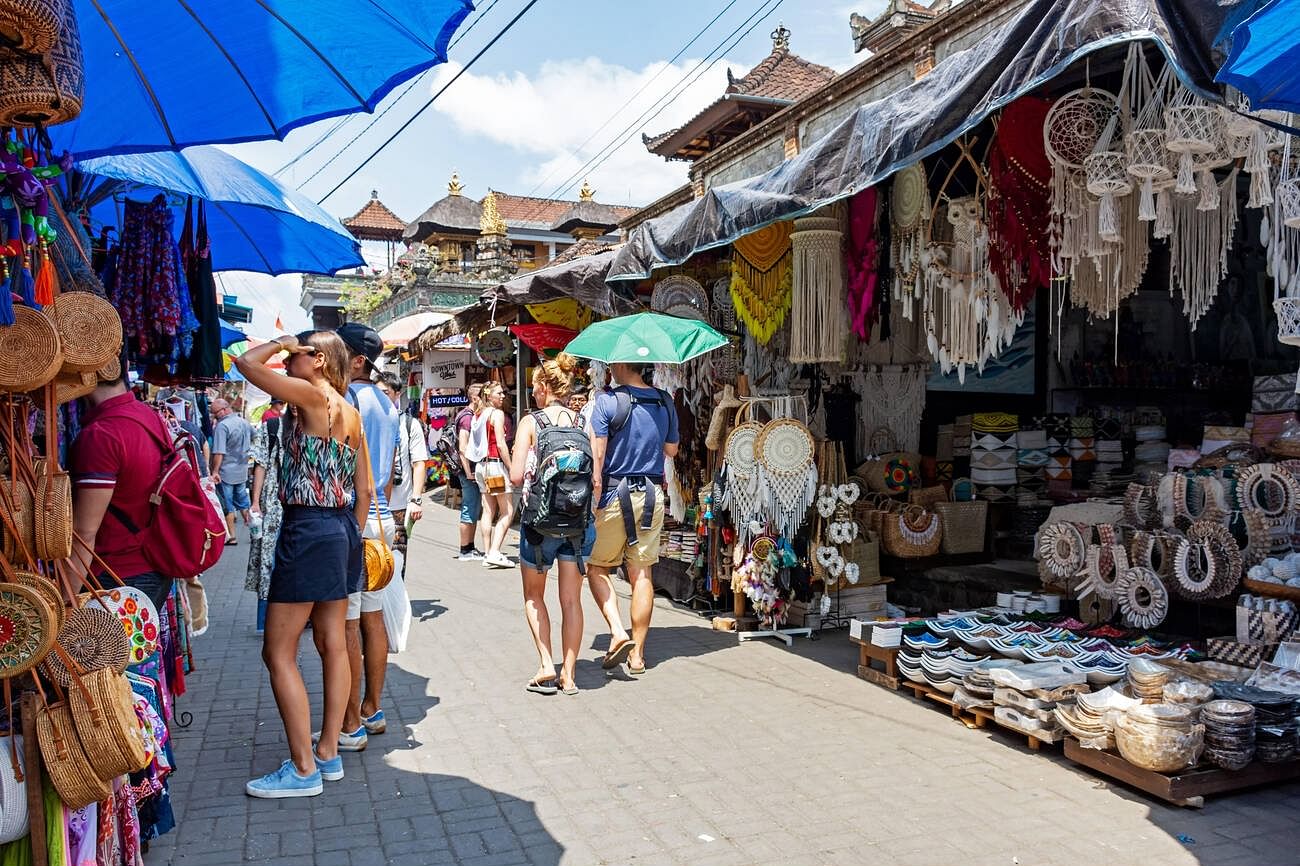
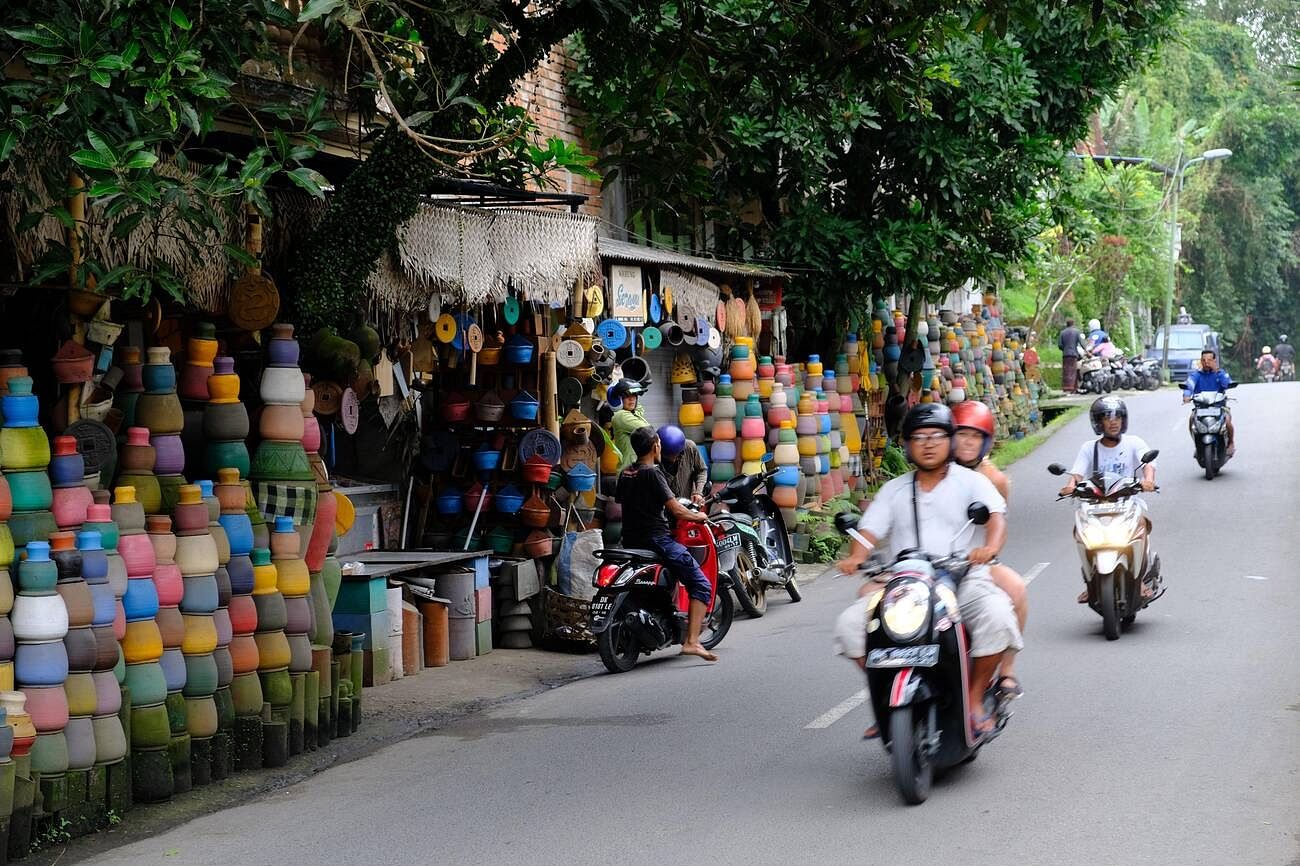
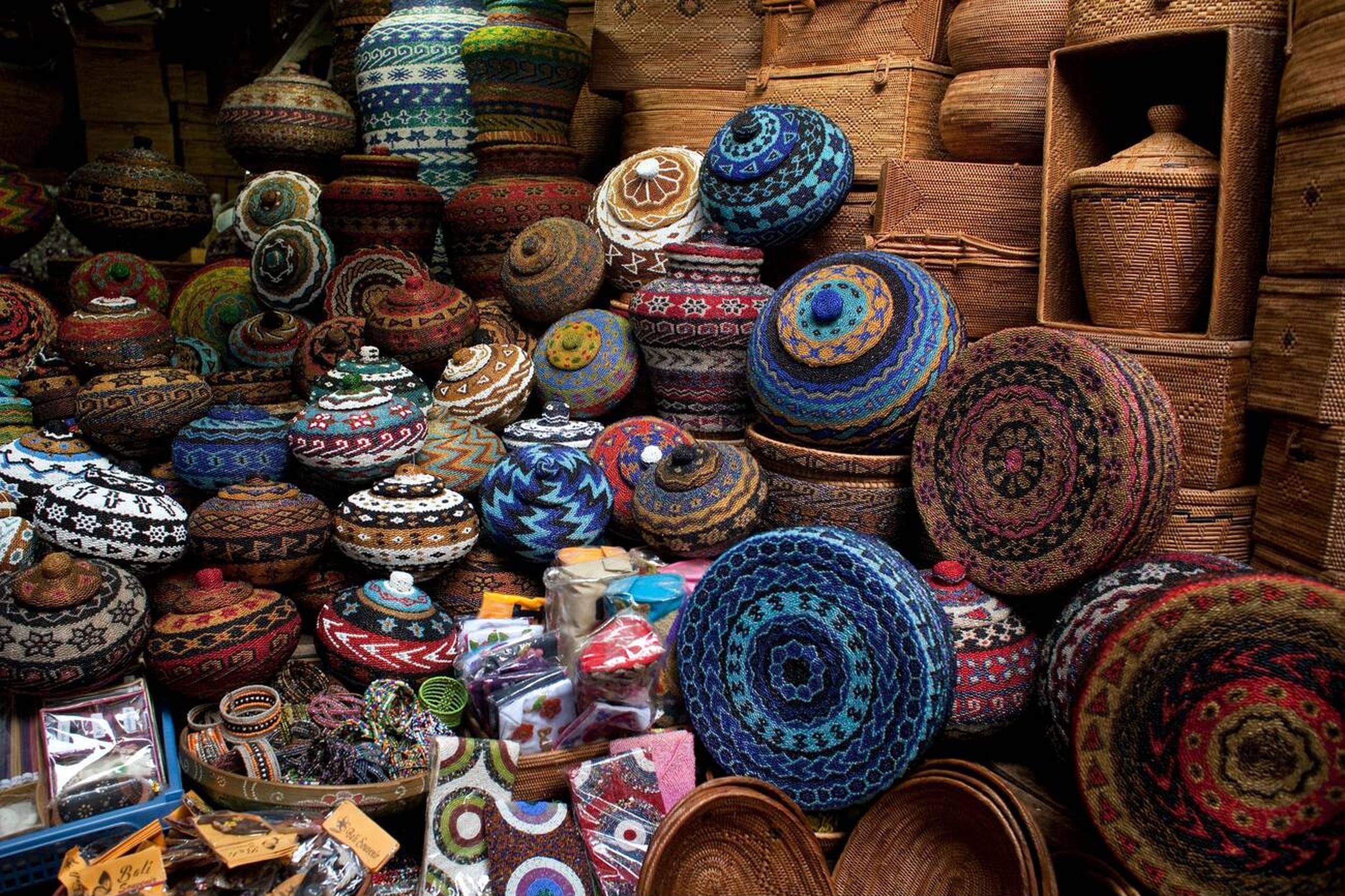
The Ubud Art Market is one of the best places in Bali to shop for local souvenirs, from woven rattan bags and colourful sarongs to wooden carvings, handmade accessories and incense.
Located right across from Ubud Palace, the market is a favourite stop for visitors exploring the town. But shopping here comes with one unwritten rule: never accept the first price. What a seller initially quotes can be two or three times higher than the price you could actually pay.
Whether you're looking for a keepsake or simply browsing the stalls, knowing when to visit, what to buy and how much to bargain for can make all the difference.
This guide covers Ubud Art Market's opening hours, typical souvenir prices, practical bargaining tips and the nearby dawn market where locals shop. If you're planning a longer stay, our Bali tour packages also include Ubud stays, giving you time to explore its markets, cafes and cultural attractions.
Ubud Art Market: Location, Layout, and Recent Changes
Ubud Art Market is one of the best shopping in Bali. Locals call it Pasar Seni Ubud, and its official name is now Pasar Rakyat Tematik Wisata Ubud. It stands on Jalan Raya Ubud No. 35, in the centre of town, opposite the Ubud Palace (Puri Saren Agung).
Entry is free, and parking costs about IDR 2,000 for a scooter and up to IDR 10,000 for a car.
our best selling bali tour packages
Ubud market timings depend on which half you mean. The produce market runs from about 4 am until 9 or 10 am, and the craft stalls fill up from about 9 to 10 am and trade until about 5 or 6 pm, every day.
The Ubud morning market is the market's local life. Before sunrise, families buy vegetables, spices, flowers and the woven palm trays used for daily offerings. By 9 or 10 am the produce sellers pack up and the craft stalls fill the space. A few craft stalls open as early as 8 am, but most are set up by 9 to 10 am, and some pack away by 5 pm.
Arrive around 9:30 am and you catch the stalls as they open, while it is still cool and sellers are keen to make their first sale of the day.
What to Buy, with Fair-Price Expectations
If you are wondering what to buy in Ubud, start with the items below. The first quotes and fair prices are drawn from 2026 market guides and checked in October 2026. The rupee figures are approximate.
Rattan Bags and Baskets
The round woven bag is the market's signature buy. The best ones are made from ata grass, which is darker and more tightly woven than plain rattan, and much of it comes from villages in east Bali such as Tenganan. Expect to settle at IDR 150,000 to 250,000 for a round crossbody bag. Check that the weave is even, the strap is stitched rather than glued, and the clasp closes firmly. Baskets and trays cost less, and they nest together, so they pack well.
Sarongs, Scarves and Light Cotton
A printed rayon sarong should cost IDR 50,000 to 80,000. Thicker cotton batik costs more, up to about IDR 120,000. Batik scarves start at about IDR 80,000, and loose "elephant" trousers settle at around IDR 40,000 to 60,000. Rayon feels cool and slippery, while cotton feels drier and holds its shape. Most printed batik here is machine-made, which is fine as long as you pay a machine-made price.
Carvings, Bowls and Home Pieces
Small wood carvings settle at around IDR 100,000 to 150,000. Bigger statues and masks cost many times that, and serious carvers sell from studios in Mas village rather than market stalls. Wooden bowls, salad servers and coconut bowls make light, useful gifts. Look for hairline cracks, and keep untreated wood out of air conditioning for the first few weeks so it doesn't split.
Oils, Incense and Small Gifts
Handmade soaps, oils and other beauty products cost about IDR 25,000 to 70,000 each, and small souvenirs such as keyrings, incense bundles and magnets cost about IDR 10,000 to 30,000. These are the items to buy in bulk from one stall, since sellers drop the price per piece as the pile grows. Read oil labels closely, because "fragrance oil" is synthetic and cheaper than pure essential oil.
How to Bargain in Ubud Market
Ubud market bargaining is expected and friendly, and it works best when you treat it as a conversation rather than a contest.
1. Decide before you ask. Only ask a price if you would buy at a fair one. Haggling with no plan to buy wastes the seller's time.
2. Counter at 40 to 50 percent. Open at roughly half the first quote, then expect two or three rounds.
3. Meet near the middle. Most deals land between your opening offer and the first quote.
4. Walk away politely. Say thank you and move on. A better offer often follows you down the aisle.
5. Buy several things at one stall. Bundles bring the price per item down more than hard haggling does.
6. Pay once you agree. Backing out after a seller accepts your price is considered rude.
Keep perspective. Fighting over IDR 5,000, about ₹26, matters far more to the seller than to you. Early in the day, sellers may accept a lower price for the first sale, which they see as bringing luck.
Bring cash in small notes, since most stalls don't take cards and some claim to have no change. A few larger stalls accept QRIS, Indonesia's QR payment system. Change money at an authorised money changer before you go, and our guide to currency exchange in Bali explains how to avoid being short-changed.
Is Ubut Art Market Authentic? Honest Answer
Partly. Much of what you see comes from workshops in bulk, and some of it comes from Java or further afield. If you see the same bag, print or dreamcatcher at twenty stalls, it is mass-produced, and you should price it that way.
Genuine Balinese craft is here too. Ata bags woven in east Bali villages, carvings made around Ubud and some hand-stamped textiles are the real thing. For gallery-grade work, go to the craft villages nearby: Mas for wood carving, Celuk for silver and Batuan for painting.
None of this makes the Ubud Art Market a waste of time. It is a quick, central place to buy good-value gifts in one stop. Just don't pay an artist's price for a factory piece.
Fitting Market Visit in Your Ubud Day
The market sits in the middle of Ubud's sights, so it slots easily into a full day.
• 6:30 am: Walk through the Ubud morning market while the offerings are being bought.
• 8 am: Cross the road to Ubud Palace, then walk a few minutes to Pura Taman Saraswati, the lotus-pond temple, while the craft stalls set up.
• 9:30 am to noon: Shop the art market as the stalls fill up, before the midday heat and the tour groups.
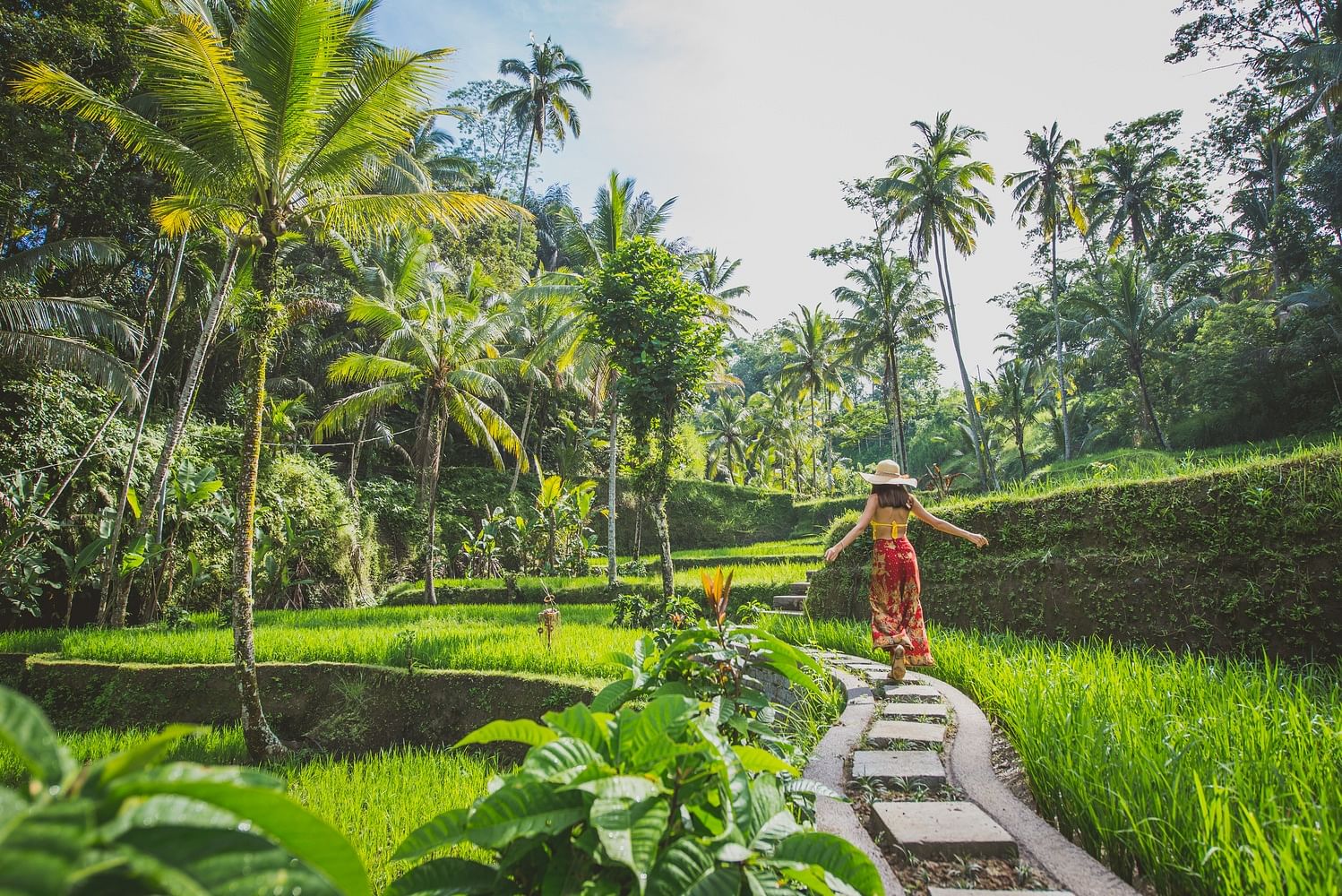
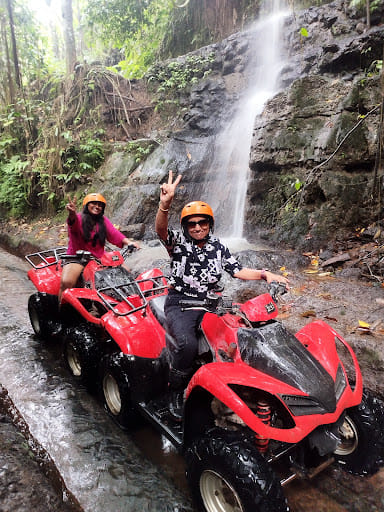
• Afternoon: Head north to the Tegallalang rice terraces, or pair the morning with an ATV ride in Bali on the trails north of Ubud.
• Late afternoon: End on the Campuhan Ridge Walk as the light softens.
For more information on how to plan your Ubud trip as a part of Bali tours with transfers and stays arranged together, see our dedicated Ubud tour packages.