Bhutan is a destination where the season can change your entire travel experience. Spring brings colourful flowers to the hills, autumn offers clearer mountain views, winter gives you quieter towns, and the monsoon turns the countryside into a sea of green. The experience changes with the weather, the festivals and even the route you choose.
The best time to visit Bhutan is generally March to May and September to November. These two periods offer comfortable conditions for sightseeing, exploring monasteries and enjoying the country's natural beauty. Spring is particularly good for flower viewing and festivals, while autumn is known for clearer skies and excellent views of the Himalayas.
However, these are not the only months worth considering. Winter can be a good choice if you prefer fewer tourists and do not mind the cold. The monsoon has its challenges, but it also brings lush landscapes and fewer crowds at many attractions.
Indian travellers should also consider Bhutan's Sustainable Development Fee (SDF), entry permits and travel arrangements when choosing their dates. These practical details can affect your overall budget and the time you need for your trip.
Here's how to choose the right season, plan around Bhutan's festivals and prepare for your journey.
Spring and autumn are the most popular seasons for visiting Bhutan. The weather is generally comfortable, and you can explore the country's monasteries, valleys and traditional towns without dealing with the frequent rain of the monsoon or the intense cold of winter.
The right season, however, depends on what you want from your trip.
Our recommendation: Choose April for spring scenery and October for autumn views. If attending a festival is your main reason for visiting, plan your travel dates around the festival calendar rather than booking your flights first.
Bhutan's weather also varies with altitude. Punakha is generally warmer than Paro and Thimphu, while higher mountain passes can remain cold even when the valleys feel pleasant. A sunny afternoon in one destination does not guarantee the same conditions a few hours away.
Your travel budget deserves attention, too. Indian citizens currently pay an SDF of Nu. 1,200 per person per night, subject to applicable concessions and exemptions. This charge is separate from many regular holiday expenses, so include it when calculating your total trip cost.
Spring (March-May): Blooms and the Paro Tshechu
Spring is one of the most rewarding times to explore Bhutan. The weather gradually warms, flowers appear across the hills, and the countryside becomes more colourful after winter.
Rhododendrons are a main attraction during this season. Depending on the location, elevation, and weather, they bloom at different times between spring and early summer. Forest walks and mountain drives can be particularly beautiful, with flowering trees adding colour to the landscape.
The comfortable weather also makes spring a good time to explore Bhutan's cultural landmarks. You can visit Paro's historic monasteries, walk through Thimphu's markets, explore Punakha Dzong, and enjoy the traditional architecture found throughout the country.
March marks the transition from winter to spring. Days gradually become warmer, although mornings and evenings can still be cold. April generally offers a pleasant balance of comfortable weather and colourful landscapes. May brings warmer conditions, but rainfall starts becoming more likely as the monsoon approaches.
Bhutan in March is worth considering if you want to experience spring scenery and attend an important cultural festival. Paro Tshechu usually takes place during spring, although its dates change every year according to the Bhutanese calendar.
March can still feel cold in the mornings and evenings, particularly in Paro and Thimphu. Pack layers instead of assuming that spring means warm weather throughout the day.
If you plan to visit around Paro Tshechu, book your accommodation and travel arrangements early. The festival attracts many visitors, and availability can become limited around the main celebrations.
Paro Tshechu: A Spring Festival Worth Planning Around
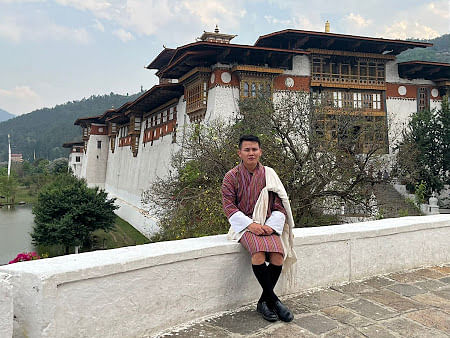
Paro Tshechu is one of Bhutan's best-known religious festivals. It takes place at Rinpung Dzong in Paro and features traditional masked dances, religious performances, and colourful local celebrations.
The festival brings together monks, residents, and visitors. People often wear their finest traditional clothing, and the festival grounds become a lively gathering place.
One of the most significant moments is the unveiling of the giant sacred thongdrel, a religious tapestry associated with Guru Rinpoche. This ceremony takes place early in the morning on the final day, according to the festival schedule.
The exact dates vary from year to year. The tentative dates for Paro Tshechu in 2027 are 18 to 22 March. Confirm the latest schedule before making non-refundable bookings.
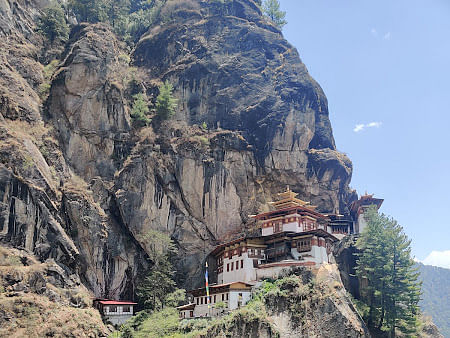
If the festival is your main reason for visiting, plan the rest of your itinerary around it. You can combine the celebrations with sightseeing in Paro, a visit to Kyichu Lhakhang and, if you have enough time, the hike to Tiger's Nest Monastery.
Best for: Flower viewing, spring landscapes, cultural festivals, sightseeing and outdoor activities in comfortable weather.
Autumn (September-November): The Photographer's Bhutan
Autumn is another excellent season to visit Bhutan. After the monsoon, rainfall generally decreases, the air becomes clearer, and mountain views often improve. The landscape remains green from the rainy months, creating a beautiful mix of forests, valleys and distant Himalayan peaks.
September is a transition month, so the weather can still be unpredictable, particularly in the first half. Conditions may improve toward the end of the month, but there is no guarantee the monsoon will have completely withdrawn.
October is often the most popular month for autumn travel. The weather is generally dry, sightseeing is comfortable, and clear days can offer impressive mountain views. It is a good time for photography, road trips and exploring Bhutan's cultural landmarks.
November brings cooler temperatures, particularly in the mornings and evenings. The skies can remain clear, and the weather is suitable for sightseeing in many valleys. If you plan to visit higher areas, prepare for colder conditions.
Bhutan in October is a strong choice for travellers who want to experience the country's landscapes without the frequent rainfall of the monsoon season.
You can explore Paro's historic sites, visit Thimphu's cultural attractions and travel to Punakha for its dzong, suspension bridge and riverside scenery. The relatively dry conditions also make October a popular month for trekking, although the suitability of each route depends on altitude and current trail conditions.
October is also a major festival month. Thimphu Tshechu usually takes place during this period, bringing traditional dances and religious celebrations to the capital.
The downside is demand. Hotels, transport and organised trips can fill up quickly, particularly around major festivals. If your dates are fixed, arrange your accommodation and travel plans well in advance.
Autumn is a good season for many of Bhutan's trekking routes because the weather is generally drier than during the monsoon. Visibility can be excellent, and the landscapes offer plenty of opportunities for photography.
However, not every trek is suitable for every traveller. Higher routes can be cold, and conditions vary with altitude. Some longer treks require more preparation, suitable equipment and guidance from experienced local operators.
If trekking is your priority, choose your route before booking your flights. Check the usual trekking season, expected temperatures and the number of days needed rather than trying to fit a demanding trek into an already crowded itinerary.
Thimphu Tshechu: Autumn's Cultural Highlight
Thimphu Tshechu is one of Bhutan's major annual religious festivals. It takes place at Tashichho Dzong in the capital and attracts residents and visitors who come to watch traditional masked dances and other performances.
The festival offers a chance to see an important part of Bhutanese culture. You can observe traditional costumes, religious performances and the role that festivals play in local life.
The tentative dates for Thimphu Tshechu in 2027 are 10 to 12 October. Check the latest schedule before finalising your travel arrangements.
Autumn is also suitable for combining the festival with visits to Buddha Dordenma, local markets and other attractions in and around Thimphu.
Best for: Mountain photography, trekking, cultural festivals, scenic drives and first-time visitors who want comfortable sightseeing conditions.
Bhutan's religious festivals, known as Tshechus, are among the country's most distinctive cultural experiences. They usually include masked dances, religious ceremonies and performances that bring communities together.
The dates follow the Bhutanese calendar and change from year to year. Some festivals take place in spring, while others are held in autumn or during the winter months.
Bhutan also celebrates Losar, its traditional New Year, with customs and family gatherings that reflect the country's cultural and religious traditions.
If you want to attend a particular Bhutanese festival, check its dates before booking your trip. A difference of a few days can affect your entire itinerary, especially if you plan to visit several destinations.
Important Bhutan Festival Dates for 2027
The following dates are based on the tentative 2027 festival schedule published. They should be reconfirmed with official sources before booking.
Note: These dates are tentative and may change. Confirm the latest schedule before making non-refundable bookings.
How Early Should You Book a Festival Trip?
If you want to attend Paro Tshechu or Thimphu Tshechu, start planning several months ahead. These festivals attract domestic and international visitors, so accommodation and preferred travel arrangements may become difficult to secure close to the dates.
Allow enough time for travel between destinations, too. A festival may finish in the afternoon, but travelling to another town immediately afterwards may not be practical.
For a spring trip, consider combining Paro Tshechu with sightseeing in Paro and Thimphu. For an autumn trip, you can plan around Thimphu Tshechu and include Punakha if your schedule allows.
Do not choose a festival only because it is famous. Consider its location, the time you have available and the kind of experience you want. A smaller regional festival can be just as rewarding if it fits your itinerary better.
Winter: December to February
Bhutan in winter brings cold temperatures to Paro, Thimphu and higher-altitude areas, with freezing nights and possible snow at mountain passes. Punakha stays relatively warmer due to its lower elevation.
Expect quieter attractions and potentially better hotel availability. However, snow and icy roads may affect access to mountain passes and trekking routes.
Best for: Peaceful sightseeing, cultural experiences and winter photography.
Monsoon brings heavy rainfall, lush green landscapes and fuller waterfalls. However, rain can reduce mountain visibility and cause landslides, road disruptions and unsafe trekking conditions.
Carry waterproof clothing, allow extra time for road journeys and check local weather and trail conditions before travelling.
Best for: Green landscapes, waterfalls and flexible itineraries.
If you are still deciding on your dates, this month-by-month summary can help you narrow down your options.
Weather varies by destination and altitude, so use this table as a general guide rather than a daily forecast.
The Indian Traveller's Block
For Indian travellers, planning Bhutan trips involves more than choosing a pleasant month. You also need to understand the Sustainable Development Fee, entry permits and how you will reach the country.
Understanding the Bhutan SDF for Indians
Indian citizens currently pay a Sustainable Development Fee of Nu. 1,200 per person per night, or the equivalent in Indian rupees.
Children aged six to under 12 qualify for a reduced rate of Nu. 600 per night, while children under six are exempt from the SDF.
The fee is separate from expenses such as accommodation, meals, transport and activities. For example, a seven-night trip for one adult would involve an SDF of Nu. 8,400 at the current standard rate, before other travel expenses.
There is also a limited SDF waiver for eligible tourists visiting designated border towns for 24 hours. Under the policy published by Bhutan's tourism authorities, this applies to Samtse, Phuentsholing, Gelephu and Samdrupjongkhar, subject to the conditions of the scheme. It does not mean travellers can continue beyond the permitted areas without paying the applicable fee.
Because fees and incentives can change, verify the current rules before departure.
Entry Permits and Documents
Indian citizens do not need a tourist visa to visit Bhutan, but they do need an entry permit.
Adults generally need a valid Indian passport or voter ID card. Additional documentation may be required for children and other specific circumstances, so check the latest requirements before travelling.
Your permit arrangements may depend on your route and the entry point you use. Make sure your documents are in order before setting out, especially if you are travelling with family.
Should You Fly or Enter Bhutan by Road?
You can reach Bhutan by air or through designated land entry points. If you fly, plan your arrival and departure carefully because flight availability can affect the rest of your itinerary.
For many Indian travellers, entering by road through Phuentsholing is another practical option. This route is suitable for visitors travelling from West Bengal and nearby states, especially if they want to explore Bhutan by road.
However, road travel involves additional journey time, and the best route depends on your starting point, available transport and destinations. If you choose the land route, allow enough time for border formalities and the onward drive.
Before booking, compare the overall travel time and cost of flying into Paro with travelling by road. Your choice should depend on your itinerary, not just the price of the first ticket. Read our guide to Airports in Bhutan to understand your flight options and plan your arrival.
What Should You Keep in Mind Before Booking?
- Choose your season first: Decide whether you want spring flowers, autumn views, winter quiet or monsoon greenery.
- Check festival dates: Confirm the annual schedule before booking flights and accommodation.
- Budget for the SDF: Calculate the fee according to the number of nights and eligible concessions.
- Prepare your documents: Check the latest entry permit requirements for every traveller.
- Allow time for road travel: Do not underestimate the journey between towns, particularly during rainy weather.
- Pack according to altitude: A warm jacket is useful even in spring and autumn, especially for early mornings and higher elevations.
The right time to visit Bhutan ultimately depends on what you want from the trip. Spring and autumn remain the easiest choices for most travellers, but winter and monsoon can also work if you understand their limitations. Choose your dates around your priorities, check the current festival calendar and account for the SDF before making your bookings.
Explore our Bhutan tour packages to find an itinerary that suits your travel dates, interests and budget.